99+ William Blakes Poems Focused Primarily On

Inference With Poetry Lesson Using Hug O War By Shel Silverstein Poetry Lessons Poetry Lesson Plans Teaching Poetry

Pin By Catherine Herold Art Design On Aquarel Lines In 2020 Line Art Drawings Drawings Animal Skeletons
The Poems Of William Blake Themes Gradesaver

My Heart Leaps Up Rainbow William Wordsworth Poems William Wordsworth Poems

The Tyger Poem Summary And Analysis Litcharts
Https Www Jstor Org Stable 40755159
William Blake 28 November 1757 12 August 1827 was an English poet painter and printmaker.
William blakes poems focused primarily on. These papers were written primarily by students and provide critical analysis of William Blakes poetry. Read poems by this poet. Largely unrecognised during his. William Blake The Poetic Genius 1282 Words 6 Pages.
B the existance of evil. William Blakes Treatment of Childhood in his Poems The glorification of childhood is dominant romantic feature of Blakes poetry. William Blake - poems - Publication Date. William Blakes poems such as The Tyger and A Poison Tree as well as Samuel Coleridges poem Kubla Khan are excellent examples of Romantic Poetry.
William Blakes focus is primarily on inner states. It describes the narrators repressed feelings of anger towards an individual. All of Blakes works this study will focus on Songs of Innocence and Experience. The Poems of William Blake essays are academic essays for citation.
A Poison Tree is a poem written by William Blake published in 1794 as part of his Songs of Experience collection. William Blake28 November 1757 12 August 1827 an English poet painter and printmaker. Largely unrecognised during his lifetime Blake is now considered a seminal figure in the history of the poetry and visual arts of the Romantic AgeWhat he called his prophetic works were said by 20th-century critic Northrop Frye to form what is in proportion to its merits the least read body of. William Blakes Poems Focused Primarily On A A The Dualities Of Nature B The Existance Of Evil C Animal Imagery D Love.
Blake himself disapproved of the Church of England and did not follow any specific religious denomination though he had a. William Blake was born in London on November 28 1757 to James a hosier and Catherine Blake. To examine literature from the perspective of Marxist social theory is a quintessential form of sociological criticism as Marxism primarily deals with political and economic. William Blakes poems focused primarily on.
In his Life of William Blake 1863 Alexander Gilchrist warned his readers that Blake. A the dualities of nature. William Blake in his writings All Religions Are One The Book of Urizen and Jerusalem. Two of his six siblings died in infancy.
The Art of Paradox in William Blakes London To what extent is Blakes Marriage of Heaven and Hell apocalyptic. This problem has been solved. From early childhood Blake spoke of having visionsat four he saw God put his head to the window. They were possibly Baptists.
The Tygers deep sense of imagination and admiration of a product of nature and A Poison Trees focus on human emotion while Kubla Khan utilizes the unpredictable power of nature to. William Blake 28 November 1757 12 August 1827 was an English poet painter and printmaker. He contrasts the concept of the poetic genius with divisions such as time and space created by the beings separated from the poetic genius. Sociological Criticism of William Blakes Poetry Essay 1506 Words 7 Pages.
Though in his lifetime his work was largely neglected or dismissed he is now considered one of the leading lights of English poetry and his work has only grown in popularity. In Blakes world humankind was once integrated. Poet painter engraver and visionary William Blake worked to bring about a change both in the social order and in the minds of men. The Emanation of the Great Albion explores both actions of accessing and separating from the poetic genius.
Largely unrecognised during his lifetime Blake is now considered a seminal figure in the history of the poetry and visual arts of the Romantic AgeWhat he called his prophetic works were said by 20th-century critic Northrop Frye to form what is in proportion to its merits the least read body of. Around age nine while walking through the countryside he saw a tree filled with. Essays for The Poems of William Blake. The drama of the later books has been called a psychomachia a drama of the divided psyche.
He was born into family of what was known as dissenters those who did not follow the Church of England. William Blake believed that his poetry and engravings were divinely inspired.

Lord Byron Link To Heathcliff Quotes Poem Quotes Literary Quotes

The Garden Of Love Poem Summary And Analysis Litcharts

Introduction In William Blake S Gothic Imagination

William Blake Poems Essays And Short Stories Poeticous
Https Www Jstor Org Stable 40001614

William Blake Jerusalem Dark Satanic Mills Poem Landscape Photography War Photography Hartlepool

Yves Saint Laurent Sketch Of A Costume For Johnny Halliday For His Concert At The Palais Des Sp Yves Saint Laurent Paris Stage Costume Design Yves Saint Lauren

A Christmas Carol Dante Gabriel Rossetti Wikiart Org Dante Gabriel Rossetti Pre Raphaelite Art Pre Raphaelite Paintings
Https Www Jstor Org Stable 43908205

Construct Barbara Kasten Miami Art Contemporary Art Daily Institute Of Contemporary Art
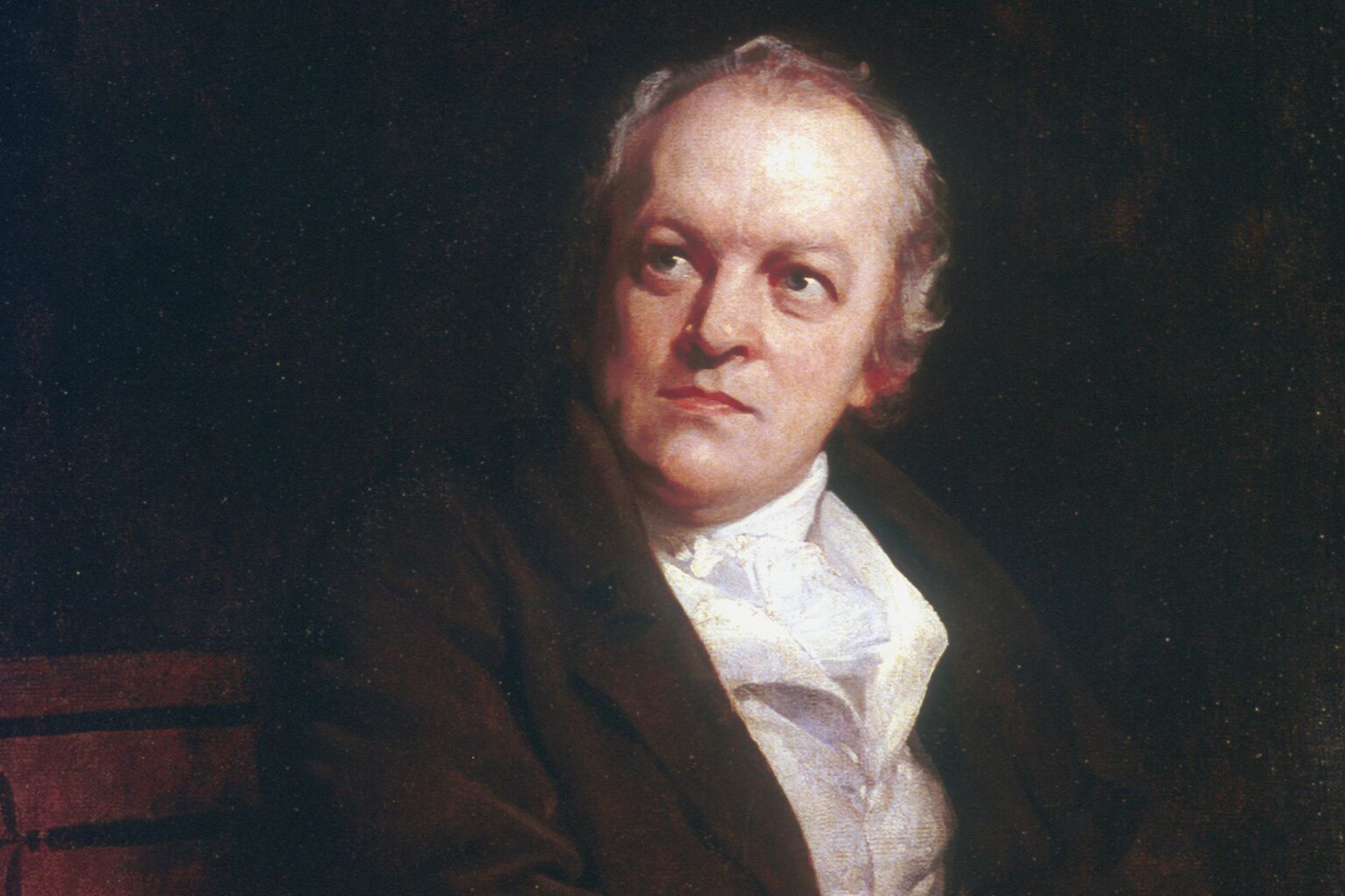
William Blake Poetry Foundation
Https Www Jstor Org Stable 20770966

